20GP FCL Best Route for Auto Parts from China to Poland: Your Ultimate Guide
Shipping auto parts from China to Poland requires careful planning to ensure efficiency and cost-effectiveness. Navigating international logistics for a 20GP FCL shipment can be complex, involving multiple considerations from port selection to customs clearance. Fortunately, this comprehensive guide will illuminate the optimal strategies for your cargo, ensuring a smooth journey for your automotive components. Learn how Top China Forwarder can help you achieve seamless global shipping.
What is 20GP FCL Shipping for Auto Parts?
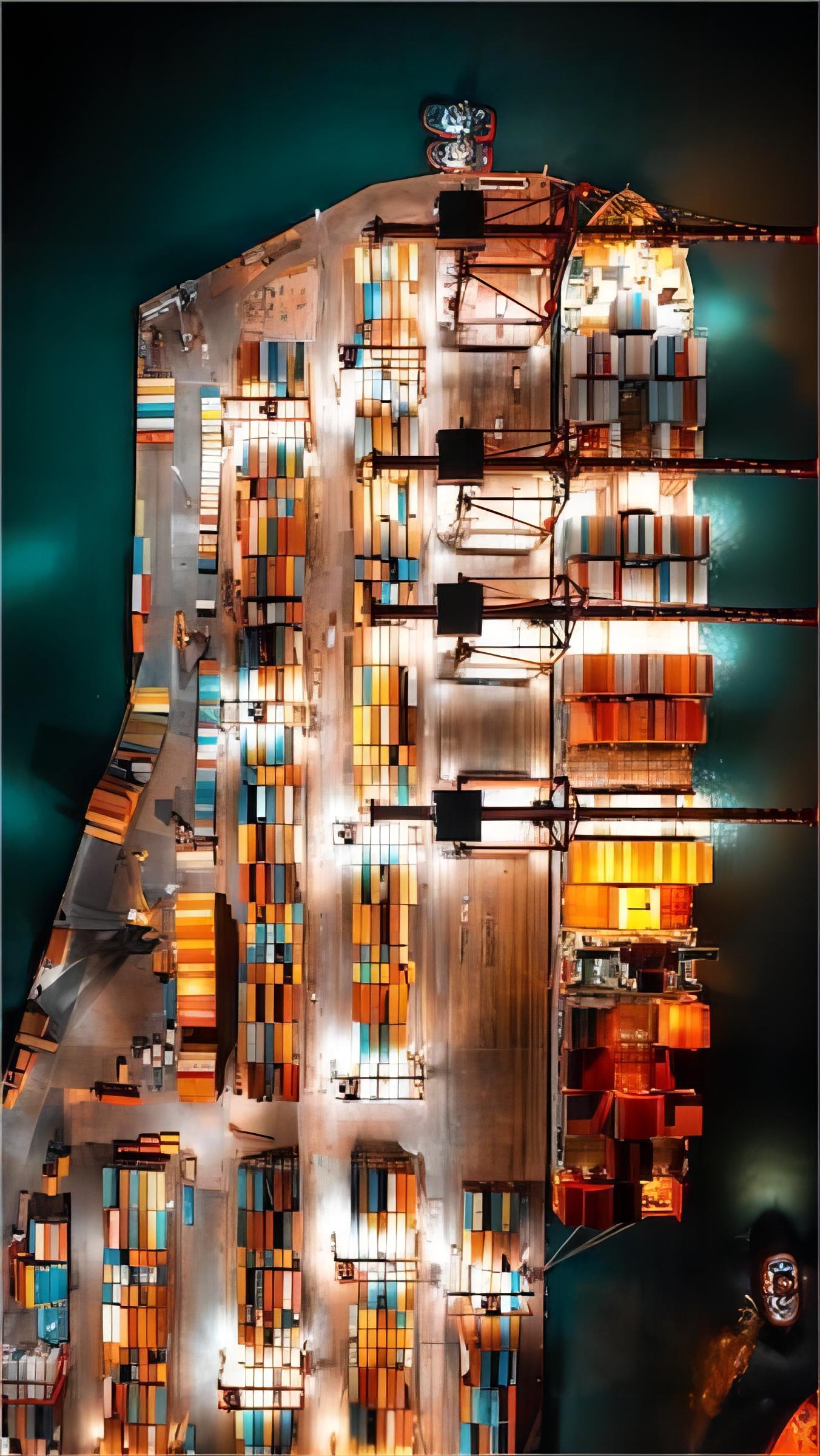
A 20GP (20-foot General Purpose) FCL (Full Container Load) shipment means your auto parts occupy an entire 20-foot container. This method is ideal for businesses with sufficient cargo volume to fill the container, offering enhanced security and often better per-unit costs compared to LCL (Less than Container Load). Moreover, it significantly reduces handling, minimizing the risk of damage.
Choosing FCL ensures that your auto parts are not mixed with other shippers’ goods. Consequently, this leads to faster transit times as there is no need for consolidation or deconsolidation at various ports. Therefore, it is a preferred option for high-value or time-sensitive automotive components.
Why is Route Optimization Crucial for China-Poland Auto Parts Shipping?
Optimizing your shipping route from China to Poland is paramount for several reasons. Primarily, it directly impacts your overall shipping costs, transit time, and supply chain reliability. A well-planned route can circumvent potential delays and reduce unforeseen expenses, which is vital for the just-in-time nature of the auto industry.
Furthermore, route optimization ensures predictable delivery schedules, allowing for better inventory management and production planning. Selecting the most efficient path minimizes fuel consumption and carbon footprint, aligning with sustainable business practices. Ultimately, this strategic approach contributes to a more competitive and resilient supply chain for automotive components.
What are the Primary Shipping Options from China to Poland?
When transporting auto parts from China to Poland, businesses typically consider three main shipping methods: sea freight, rail freight, and air freight. Each option presents distinct advantages and disadvantages concerning cost, speed, and capacity. Therefore, understanding these differences is key to making an informed decision for your 20GP FCL auto parts.
Sea freight remains the most cost-effective solution for large volumes, although it has the longest transit times. Rail freight offers a balance of speed and cost, becoming increasingly popular for its efficiency. Air freight, while fastest, is significantly more expensive and generally reserved for urgent or high-value, smaller shipments. For comprehensive ocean shipping solutions, explore our sea freight services.
| Shipping Method | Cost Range (20GP) | Transit Time | Best For | Limitations |
|---|---|---|---|---|
| Sea Freight | $1,800 – $2,500 | 28-35 days | Large volumes, cost-sensitive | Slowest, port congestion |
| Rail Freight | $6,000 – $9,000 | 16-22 days | Mid-volume, balanced cost/speed | Limited routes, customs delays |
| Air Freight | $15,000 – $25,000+ | 3-7 days | Urgent, high-value, small volume | Most expensive, capacity limits |
How Does Sea Freight Offer the 20GP FCL Best Route for Auto Parts?
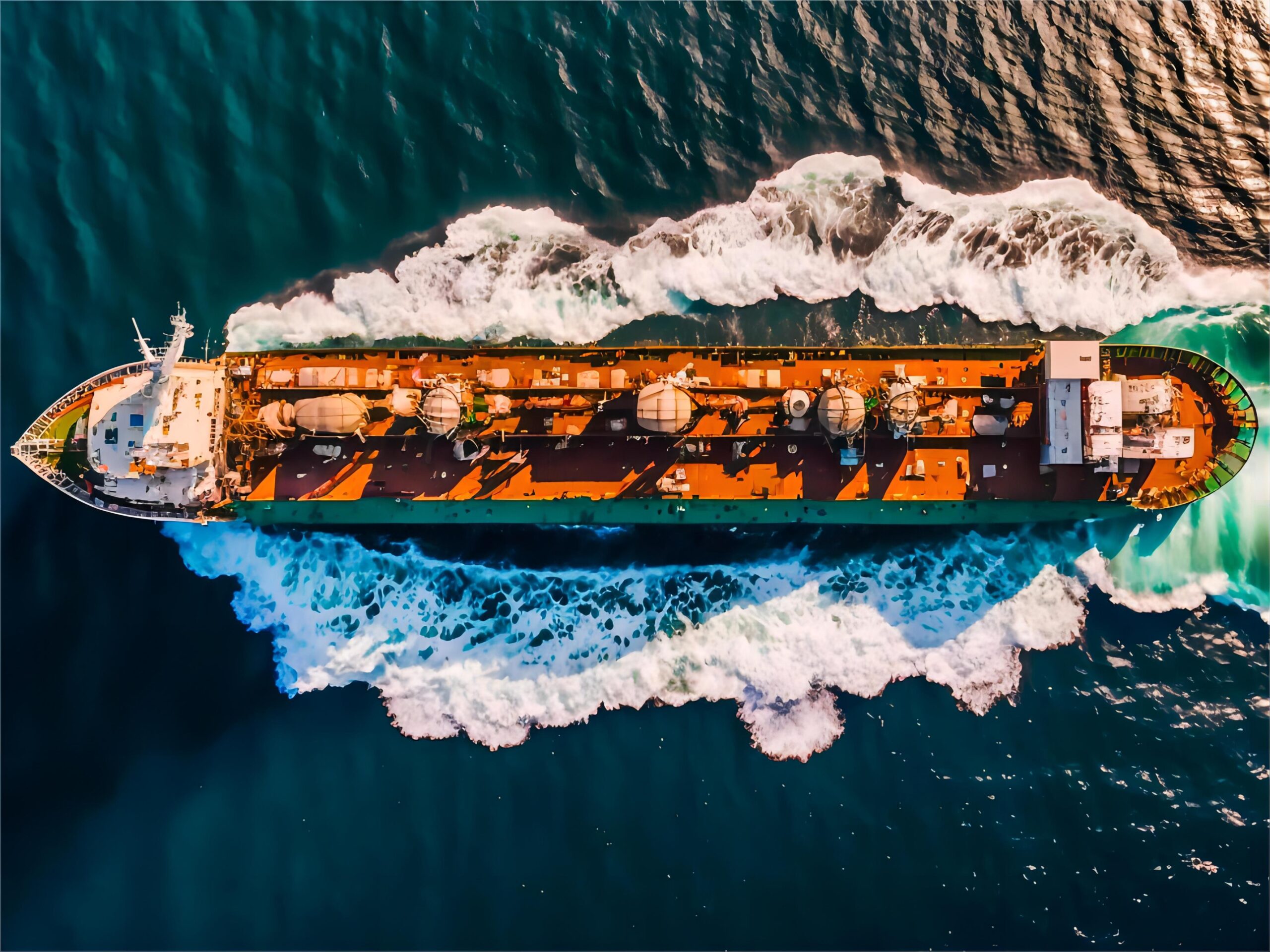
For 20GP FCL auto parts, sea freight is often considered the best route due to its unparalleled cost-efficiency for bulk cargo. While slower, the significant savings on freight rates make it the preferred choice for regular, non-urgent shipments. Major ports in China such as Shanghai, Ningbo, and Shenzhen connect directly to European hubs.
The primary routes for sea freight typically involve direct services or transshipment via major hub ports like Hamburg, Rotterdam, or Gdansk. From these ports, auto parts can be transported inland to Poland via truck or rail. This multimodal approach ensures seamless delivery, and our door to door services can manage this entire process for you.
Key Sea Freight Ports and Routes
In China, major loading ports include Shanghai, Ningbo, Shenzhen, Qingdao, and Tianjin. These ports offer extensive connections and frequent sailings. For Poland, the primary destination port is Gdansk, which is well-equipped to handle large container volumes and offers efficient onward distribution. Alternatively, shipments can arrive at Hamburg or Rotterdam and then be moved to Poland via rail or truck.
Indeed, direct services to Gdansk minimize transshipment risks and transit times. However, indirect routes via larger European ports can sometimes offer more competitive rates or greater flexibility, depending on carrier availability and current market conditions. Thus, selecting the right port pair is a critical step in optimizing your supply chain.
Understanding Transit Times and Seasonal Variations
Typical sea transit time for a 20GP FCL from China to Poland ranges from 28 to 35 days. This duration can fluctuate based on the specific origin and destination ports, carrier schedules, and weather conditions. Additionally, port congestion at either end can add several days to the total journey.
Furthermore, seasonal variations significantly impact transit times and freight rates. For example, peak seasons before major holidays like Chinese New Year or during the Q3-Q4 shipping rush often see increased demand and potential delays. Planning ahead and booking early is crucial during these periods to secure space and avoid premium charges.
What Documentation and Customs Procedures are Required?
Proper documentation and adherence to customs procedures are vital for the smooth import of auto parts into Poland. Inaccurate or incomplete paperwork can lead to significant delays and penalties, impacting your delivery schedule and costs. Therefore, understanding the requirements upfront is essential for a seamless process.
Key documents typically include the Commercial Invoice, Packing List, Bill of Lading, and Certificate of Origin. Additionally, specific auto parts may require import licenses, conformity certificates, or other regulatory approvals. Our specialized customs brokerage services can help navigate these complexities effectively.
Essential Documents for Auto Parts Import
A comprehensive set of documents is required for customs clearance in Poland. The Commercial Invoice must accurately detail the goods, value, and terms of sale. The Packing List provides specifics on the contents of each package, crucial for inspection. The Bill of Lading serves as a contract of carriage and title to the goods.
Moreover, a Certificate of Origin verifies the manufacturing country, which can affect duty rates. Depending on the auto part, an EORI number for the importer is mandatory for customs declarations within the EU. Always ensure all documents are consistent and error-free to prevent customs holds.
| Document | Purpose | Notes |
|---|---|---|
| Commercial Invoice | Goods value, terms of sale | Accurate and detailed |
| Packing List | Contents of each package | Matches physical cargo |
| Bill of Lading (B/L) | Contract of carriage, title | Originals often required |
| Certificate of Origin | Country of manufacture | Affects duties, trade agreements |
| EORI Number | EU Importer Registration | Mandatory for EU customs |
Navigating Polish and EU Customs
Poland, as an EU member state, adheres to the Union Customs Code (UCC). This means imports from outside the EU are subject to common external tariffs and regulations. Consequently, understanding EU import duties, VAT, and specific product-related regulations for auto parts is crucial. Incorrect declarations can result in fines and delays.
Furthermore, customs clearance typically takes 1-3 days once the cargo arrives at the port, provided all documentation is in order. However, inspections or discrepancies can extend this period significantly. Partnering with an experienced freight forwarder simplifies this process, ensuring compliance and minimizing potential issues.
How Does 20GP FCL Compare to Other Shipping Options?
While 20GP FCL sea freight is often the go-to for auto parts, evaluating alternatives is essential for a robust supply chain strategy. Different scenarios might call for different solutions, balancing cost, speed, and reliability. Therefore, a comprehensive comparison helps in making informed decisions.

Consider the typical transit times and costs associated with each method. For instance, air freight offers speed but at a premium, whereas rail freight provides a middle ground. Understanding these trade-offs ensures you select the most appropriate method for each specific shipment of automotive components. For faster delivery of urgent parts, consider our air freight services.
FCL vs. LCL: When to Choose Which?
The choice between FCL and LCL depends primarily on your cargo volume. For auto parts, if your shipment exceeds 10-12 CBM (cubic meters), a 20GP FCL is generally more economical. It offers dedicated space, faster transit, and reduced handling.
Conversely, if your auto parts shipment is smaller than 10 CBM, LCL might be a more cost-effective option. However, LCL involves consolidation and deconsolidation, which can add to transit time and increase the risk of damage. Always calculate the cost per CBM for both options to determine the best value.
Sea Freight vs. Rail Freight: A Growing Alternative
Rail freight, particularly the China-Europe Railway Express, has emerged as a strong competitor to sea freight for many importers. It offers significantly faster transit times (16-22 days) compared to sea freight (28-35 days), making it ideal for auto parts requiring quicker delivery without the high cost of air freight.
However, rail freight has capacity limitations and can be more expensive than sea freight for a 20GP FCL. It also has fewer direct routes and can experience congestion at railway hubs. Yet, for many, the balance of speed and cost makes rail an attractive option. Explore efficient land-based shipping with our rail freight services.
Which Option Should You Choose for Your Auto Parts Shipment?
Deciding on the best shipping option for your 20GP FCL auto parts hinges on several critical factors. Your budget, urgency, cargo type, and volume thresholds all play a significant role in determining the most suitable method. Carefully assessing these priorities will guide you to the optimal logistics solution.
Consider your supply chain requirements and the specific characteristics of your automotive components. A flexible approach, sometimes combining different methods, can often yield the most efficient and cost-effective results. Therefore, understanding your needs is the first step towards an optimized shipping strategy.
Budget Priority
If cost savings are your top priority, especially for large, non-urgent orders of auto parts, sea freight is undoubtedly the best option. It provides the lowest cost per unit for a 20GP FCL, allowing you to maximize profit margins. This method is ideal for stock replenishment and less time-sensitive components.
Nevertheless, be prepared for longer transit times and potential port delays. Budget-conscious importers should also factor in customs duties and insurance when calculating the total landed cost. Always obtain multiple quotes to ensure competitive pricing for your specific route.
Speed Priority
When speed is paramount, perhaps for urgent repairs, new model launches, or to prevent production line stoppages, air freight is the unrivaled choice. While significantly more expensive, it offers transit times of 3-7 days, drastically reducing lead times. However, for a 20GP equivalent volume, air freight becomes prohibitively expensive.
For a balance of speed and cost, rail freight presents an excellent alternative, cutting sea transit times by almost half. This makes it a strong contender for moderately urgent auto parts that cannot justify air freight’s high expense. It bridges the gap effectively between sea and air options.
Cargo Type Considerations
The nature of your auto parts also influences the best shipping method. Fragile or high-value components might benefit from the reduced handling of FCL sea freight or the quicker transit of rail/air to minimize exposure to risks. Hazardous materials, such as certain batteries or chemicals, have specific regulations for each transport mode.
Moreover, oversized or heavy auto parts are almost exclusively transported via sea freight due to container size and weight limitations on rail and air. Always consult with your forwarder about specific cargo requirements to ensure compliance and safe transport. Our team offers comprehensive support for all cargo types.
Real-World Case Studies: 20GP FCL Auto Parts to Poland
Examining real-world examples helps illustrate how different shipping strategies play out in practice. These case studies highlight the factors influencing cost, transit time, and overall success for 20GP FCL shipments of auto parts from China to Poland. Based on Q3 2024 market rates, these scenarios offer practical insights.
Case Study 1: Standard Sea Freight for Engine Components
| Detail | Value |
|---|---|
| Route | Shanghai, China to Gdansk, Poland |
| Cargo | Engine blocks and transmission parts, 28 CBM, 18,000 kg |
| Container | 20GP FCL |
| Shipping Details | Carrier: COSCO (direct service), Port of Loading: Shanghai, Port of Discharge: Gdansk, Route Type: Direct |
| Cost Breakdown | Ocean Freight: $2,100, Origin Charges: $450, Destination Charges: $380, Customs & Duties (estimated): $650, Total Landed Cost: $3,580 |
| Timeline | Booking to Loading: 5 days, Sea Transit: 32 days, Customs Clearance: 2 days, Total Door-to-Door: 40 days |
| Key Insight | Cost-effective for regular stock. Potential for 2-3 day delays due to port congestion at Gdansk in peak season. |
Case Study 2: Rail Freight for Time-Sensitive Electronic Modules
| Detail | Value |
|---|---|
| Route | Chongqing, China to Lodz, Poland |
| Cargo | Automotive electronic control units, 25 CBM, 12,000 kg |
| Container | 20GP FCL |
| Shipping Details | Carrier: China-Europe Railway Express, Port of Loading: Chongqing, Port of Discharge: Malaszewicze (border), Route Type: Direct rail |
| Cost Breakdown | Rail Freight: $7,800, Origin Charges: $350, Destination Charges: $420, Customs & Duties (estimated): $580, Total Landed Cost: $9,150 |
| Timeline | Booking to Loading: 4 days, Rail Transit: 18 days, Customs Clearance: 3 days, Total Door-to-Door: 28 days |
| Key Insight | Significantly faster than sea, ideal for avoiding production line stoppages. Rates can fluctuate based on train capacity and demand. |
Case Study 3: Hybrid Solution for Urgent Body Panels
| Detail | Value |
|---|---|
| Route | Shenzhen, China to Warsaw, Poland |
| Cargo | Urgent automotive body panels, 20 CBM, 6,000 kg |
| Container | 20GP FCL (initially) then LCL air for critical parts |
| Shipping Details | Carrier: Maersk (sea) + Lufthansa (air), Port of Loading: Shenzhen, Port of Discharge: Gdansk (sea), Warsaw (air) |
| Cost Breakdown | Ocean Freight (20GP): $2,200, Air Freight (LCL): $4,500 (for 2 CBM), Origin Charges: $550, Destination Charges: $400, Customs & Duties (estimated): $700, Total Landed Cost: $8,350 |
| Timeline | Sea Transit: 30 days, Air Transit: 5 days, Total Hybrid: 35 days (critical parts arrive much earlier) |
| Key Insight | Strategic hybrid approach for immediate needs. The bulk ships by sea, while critical components are expedited by air, balancing cost and speed. Note: Freight rates are subject to change based on fuel costs, carrier capacity, and seasonal demand. Contact us for a current quote tailored to your specific shipment. |
Conclusion: Securing the Best Route for Your Auto Parts
Ultimately, selecting the 20GP FCL best route for auto parts from China to Poland involves a careful evaluation of cost, transit time, and the specific needs of your cargo. While sea freight offers the most economical solution for bulk shipments, rail freight provides a compelling balance of speed and cost-effectiveness. Understanding market conditions and leveraging expert guidance are crucial for success.
By partnering with an experienced freight forwarder, you can navigate the complexities of international shipping with confidence. This ensures your automotive components arrive in Poland efficiently, securely, and within budget, strengthening your supply chain. For reliable and optimized shipping, consider partnering with a trusted logistics provider.
Need a tailored shipping solution?
Ready to optimize your 20GP FCL auto parts shipment from China to Poland? Our expert team is here to provide tailored logistics solutions, competitive freight rates, and seamless customs clearance. Get a personalized quote today and streamline your supply chain. Contact us to discuss your specific shipping needs.